
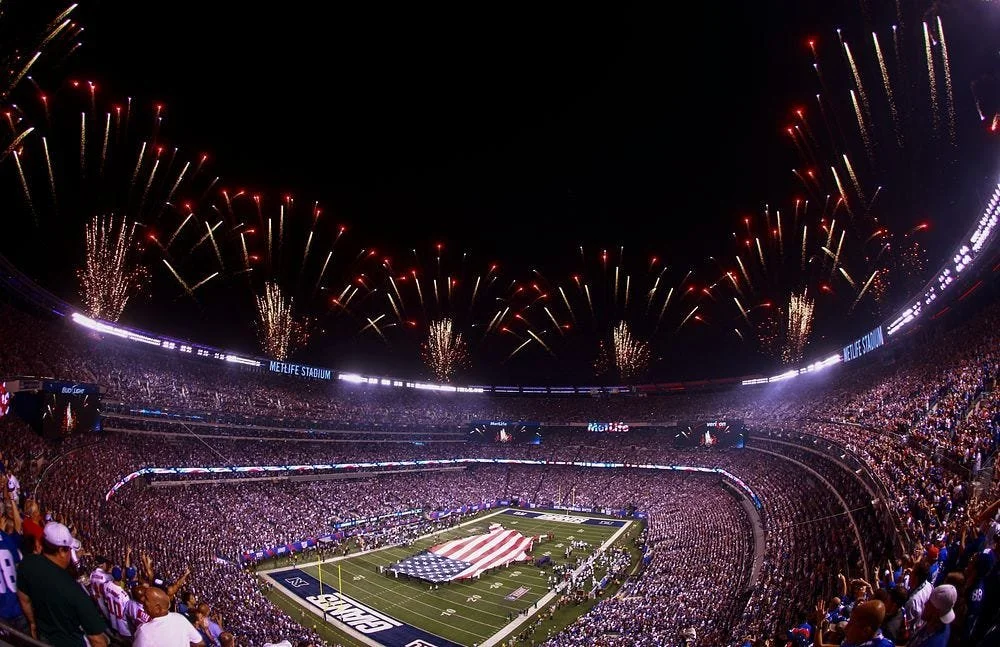
It's been less than a week since Bad Bunny transformed the Super Bowl LXI stage into a vibrant archive of Puerto Rican life, and the impact is already being felt far beyond the football field. For the Latino community—especially those currently navigating the stressors of immigration raids and political targeting—the performance has become more than a memory. It has become a symbol of resilience.
In the last 48 hours, reports have emerged from cities like Aurora, Colorado, where residents describe the show as a "cultural lifeline." At a time when many in our community feel besieged or invisible, seeing Benito stand unapologetically in his language and truth provided a moment of "psychological safety" that is essential for mental well-being.
The Hidden Symbolism: What We've Learned in the Last 48 Hours
As fans and scholars have deconstructed the set over the past few days, several deep layers of symbolism have come to light that speak directly to the themes of identity and home:
- The "Ocasio 64" Jersey: While many speculated on the number's meaning, it has been confirmed as a tribute to his late uncle, a former football player. By choosing to wear his family name, Ocasio, rather than his stage name, Benito centered his performance on lineage and legacy rather than celebrity—a powerful message for a community where family is the ultimate protective factor.
- The Zara Suit & the Rope Belt: In a move that surprised the fashion world, Benito's outfits were custom-made by Zara—an accessible brand rather than a high-end luxury house. Paired with a traditional rope belt (a nod to the jíbaros or farmers), the choice represented a "power shift." It signaled that Latino culture doesn't need "luxury" validation to be world-class; it is valuable exactly as it is.
- The Sparking Power Poles: During "El Apagón," the sight of dancers scaling flickering electrical poles was a visceral reminder of the trauma of Hurricane Maria and the ongoing systemic neglect in Puerto Rico. For many, seeing this trauma acknowledged on such a massive stage was a form of collective validation—a way of saying, "I see your struggle."
- "Together, we are America": The final message written on his football—and his naming of countries from Chile to Canada—reclaimed the word "America" as a continent, not just a country. This linguistic shift is vital for immigrants who often feel they have to choose between their home country and their new one. Benito told them: You can be both.
A Psychological "Protective Factor"
In my work as an LMHC, we often talk about "protective factors"—the things that help individuals withstand extreme stress. Representation is one of the strongest.
The last 48 hours have shown that this performance functioned as a form of cultural healing. It countered "racial stress" by replacing a narrative of fear with one of joy and belonging. When Benito proclaimed, "The only thing more powerful than hate is love," it wasn't just a slogan; it was a clinical truth. Love for one's culture and community is an antidote to the anxiety caused by marginalization.
The Takeaway for Our Community
If you felt a surge of pride or a sense of relief watching that show, know that those feelings are valid. You weren't just watching a concert; you were experiencing a moment of communal resilience.
As we move forward, let's carry that energy into our daily lives. Whether you are navigating a court case, an immigration process, or the daily grind, remember Benito's words: "Believe in yourself. You're worth more than you think."
If you or someone you know is facing the psychological toll of immigration stress, reach out to our team. Learn more about how psychosocial evaluations can support your case or explore the types of cases we handle.